

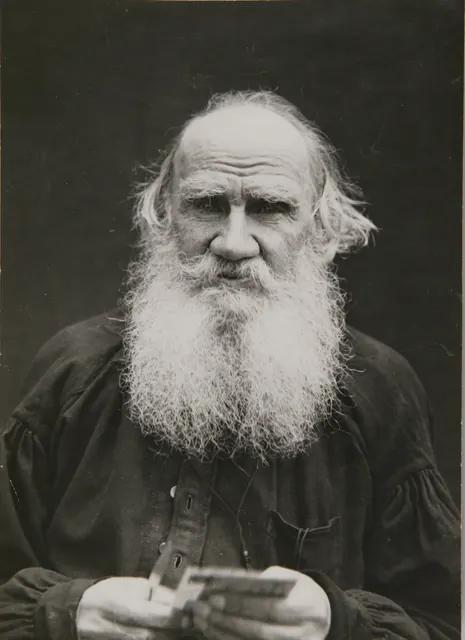
Leo Tolstoy
Argued for radical Christian nonviolence and the refusal to answer evil with coercion. His ethical critique of violence influenced later nonviolent movements, including Gandhi’s.
Peaceful World draws on many traditions rather than a single doctrine. This page maps some of the thinkers, practices and research traditions that help shape our questions and methods.
Inclusion does not imply agreement with everything a person or tradition has said or done. Philosophical, historical, pedagogical, empirical, theoretical and practical lines sit side by side here, and genuine disagreements remain.
We use ideas as tools for inquiry and testing, not as proof that Peaceful World is “right.”
Historical context, limits of evidence, and the difference between ethical positions and empirical claims should remain visible.
These groups are practical reading paths, not an academic taxonomy. Each card names one contribution or question that is relevant to Peaceful World’s work.
Argued for radical Christian nonviolence and the refusal to answer evil with coercion. His ethical critique of violence influenced later nonviolent movements, including Gandhi’s.
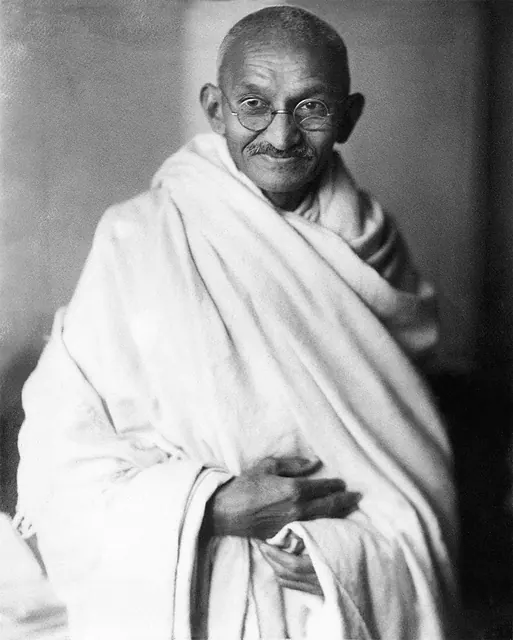
Developed satyagraha as a disciplined practice of nonviolent resistance, linking means and ends. Relevant to Peaceful World’s insistence that peaceful goals require peaceful methods.
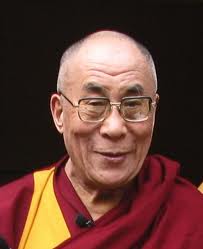
Advocates compassion, interfaith dialogue, nonviolence and universal responsibility. His approach connects inner discipline with care for others and the practical work of peaceful coexistence.
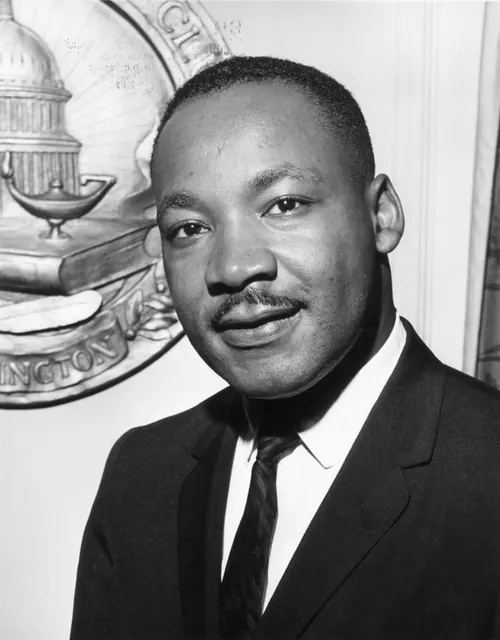
Led campaigns of nonviolent direct action in the U.S. civil rights movement and articulated a vision of justice grounded in love, dignity and organized civic action.
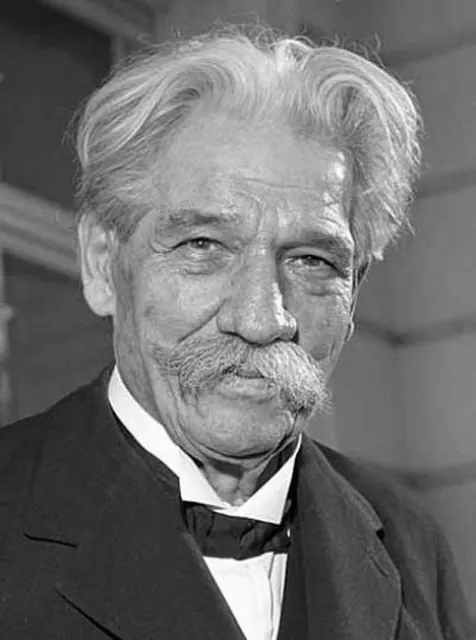
Developed the ethic of “reverence for life,” extending moral concern to living beings beyond narrow human interests. Relevant to the moral priority of life.
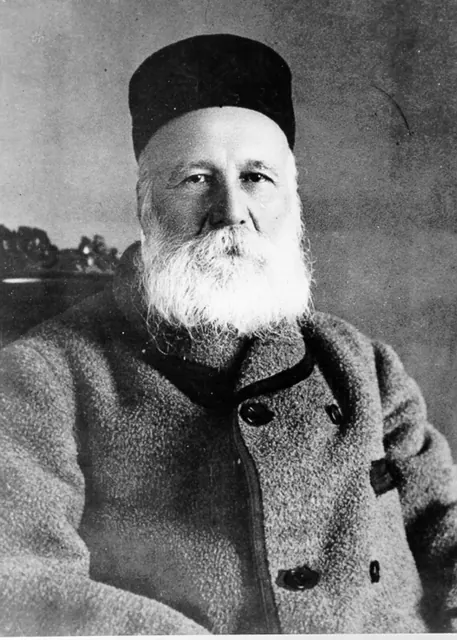
His account of Solferino helped inspire the Red Cross movement and the first Geneva Convention. Relevant as an example of turning concern for suffering into impartial humanitarian institutions.
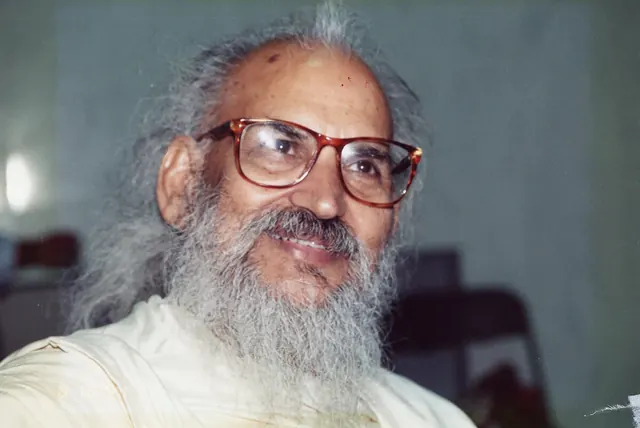
A Jain teacher associated with international advocacy for ahimsa and anekantavada. Relevant to nonviolence and to the discipline of holding truth without reducing it to one viewpoint.
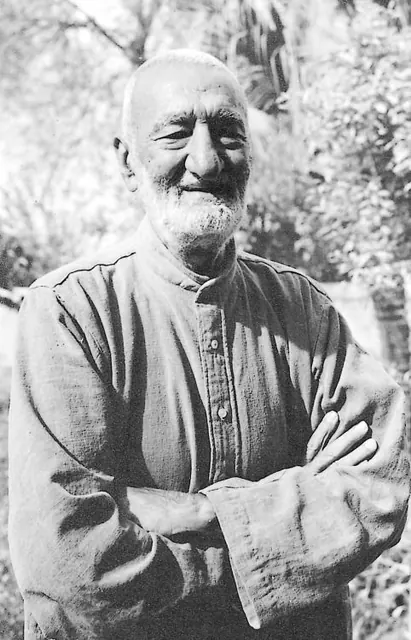
Organized the Khudai Khidmatgar, a large Pashtun movement committed to nonviolent discipline and social reform. His work shows nonviolence emerging within an Islamic cultural context.
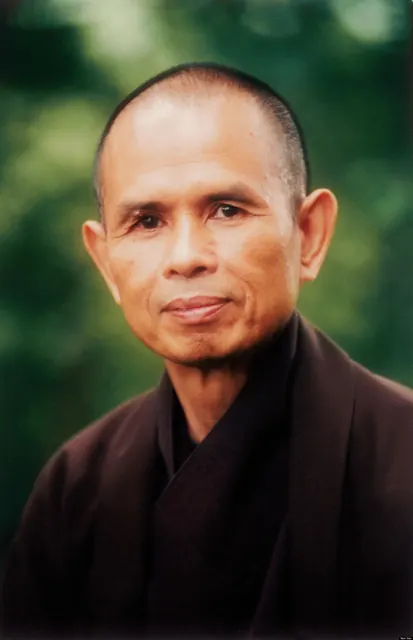
Helped shape engaged Buddhism, linking mindfulness, compassion, deep listening and social action. Relevant to de-escalation and the inner conditions of peaceful response.

Her anti-war novel Lay Down Your Arms! and decades of peace advocacy helped shape organized European pacifism. She linked public persuasion, institutions and the belief that wars can be prevented.
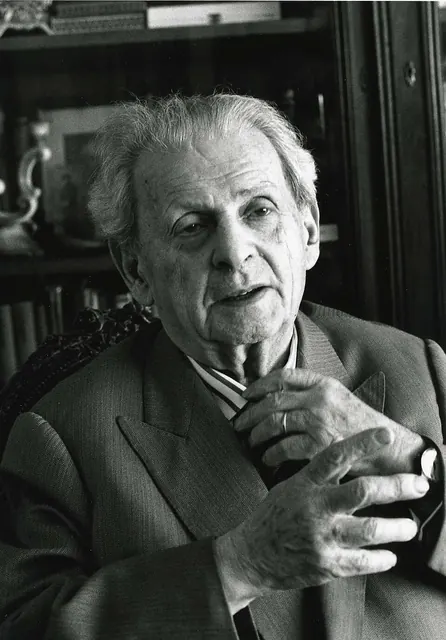
Placed responsibility to the other at the centre of ethics, especially in the encounter with another person’s vulnerability. Relevant to resisting dehumanization.
Systematized methods of civilian nonviolent action and analyzed how cooperation sustains political power. His work helps translate a commitment to nonviolence into organized, practical strategies without treating any method as universally risk-free.
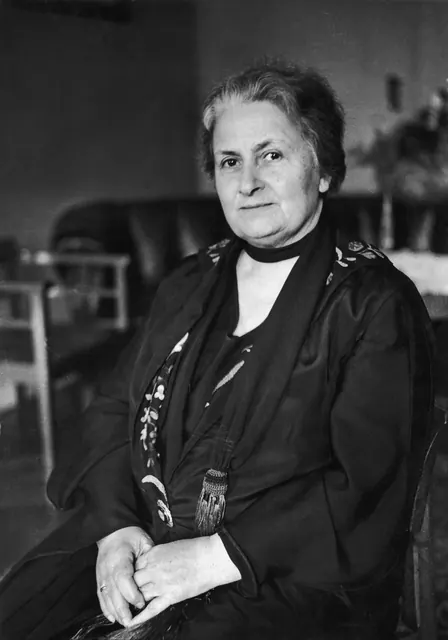
Developed a child-centred educational approach built around prepared environments, autonomy, concentration and respect. Her later peace education connected the formation of the child with the possibility of a more peaceful society.

Helped establish peace education as a field, connecting the study of war systems with human dignity, gender equality and the capacity to imagine alternatives. For Peaceful World, she represents education not merely about conflict but for a culture of peace.
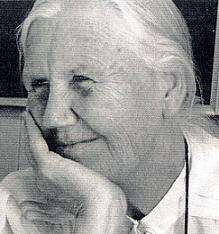
Developed approaches to cultures of peace and the social imagination of desirable futures. She emphasized everyday community practices and the role of women and children in shaping a less violent world.
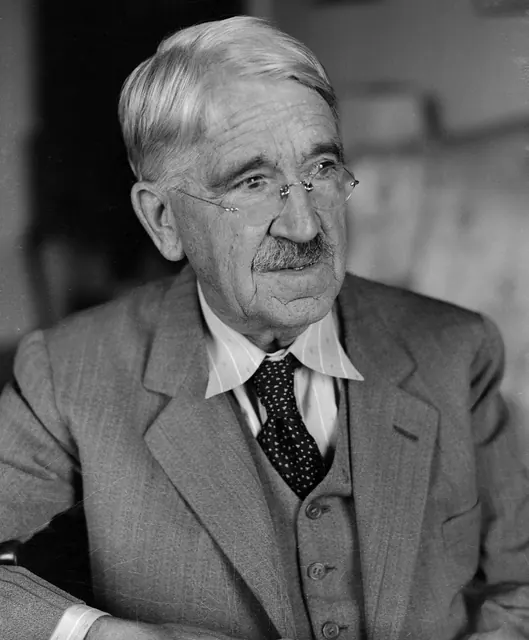
Argued that education grows through experience, inquiry and participation, and connected democratic life with habits formed in schools. Relevant to learning peace through practice rather than slogans.
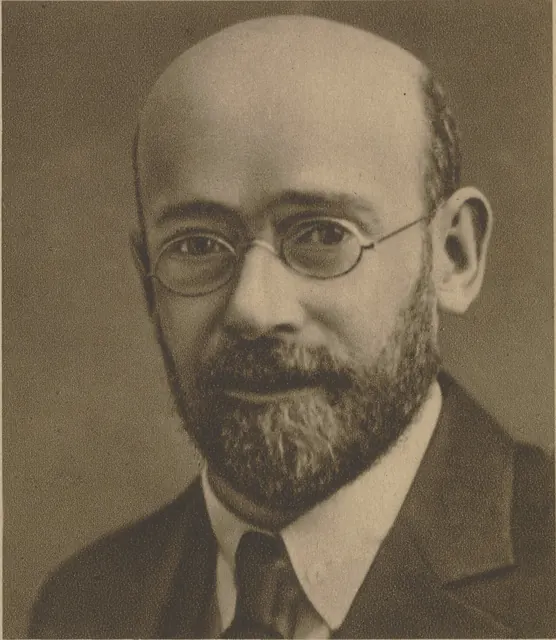
Advanced a pedagogy of respect and treated children as persons with rights, voice and dignity. Relevant to Peaceful World’s emphasis on childhood and non-dominating education.

Connected community education, social care, democracy and international peace advocacy. Her work at Hull House showed how peace depends on dignified conditions for ordinary people, not solely on diplomatic agreements.
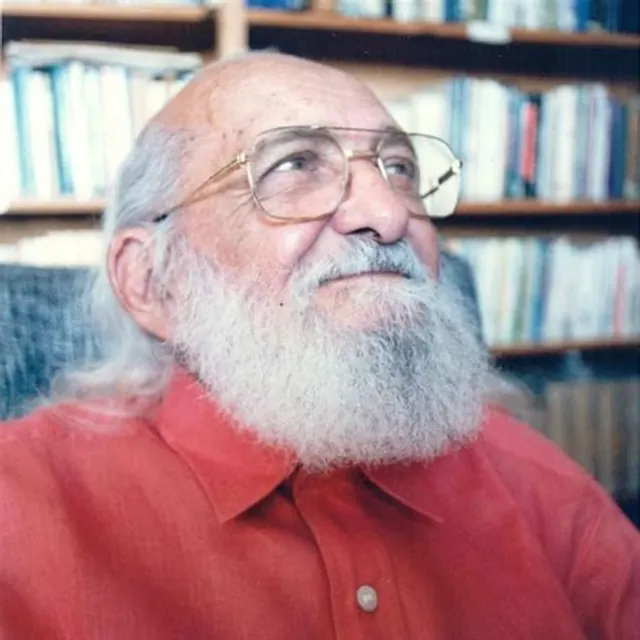
Developed critical pedagogy around dialogue, reflection and action, opposing the “banking” model of education. Relevant to learning that strengthens agency without treating learners as passive recipients.
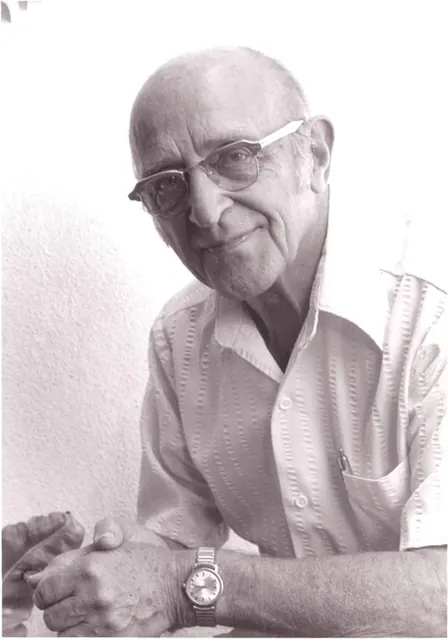
Developed the person-centred approach, emphasizing empathy, congruence and unconditional positive regard. These conditions inform approaches to dialogue, learning and conflict communication.
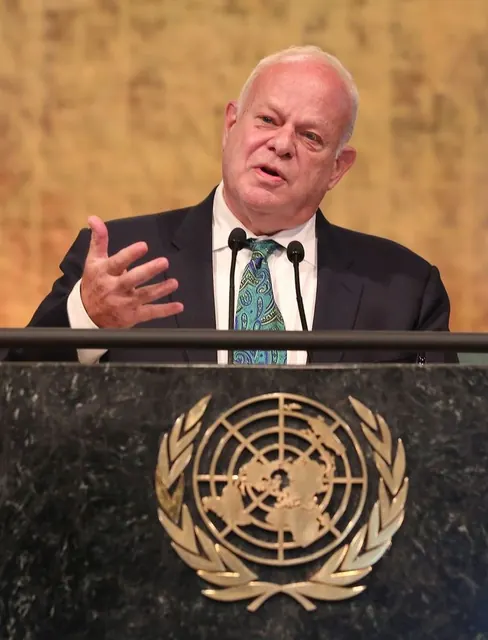
Research on learned helplessness and later positive psychology examined how explanatory habits, agency and strengths affect human functioning. Relevant to education that builds capacity rather than fatalism.
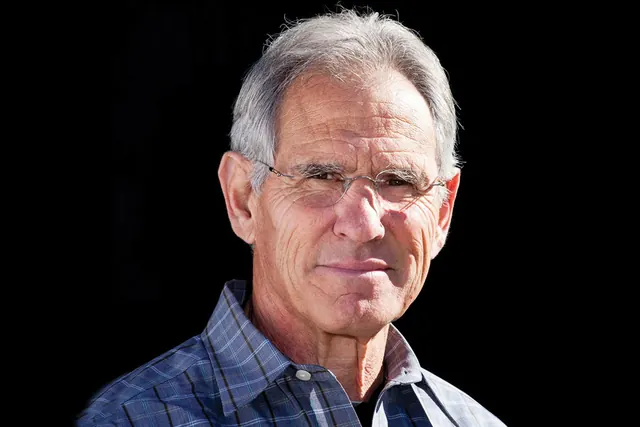
Developed Mindfulness-Based Stress Reduction, bringing structured mindfulness practice into clinical settings. Relevant to training attention and creating a pause before automatic reaction.
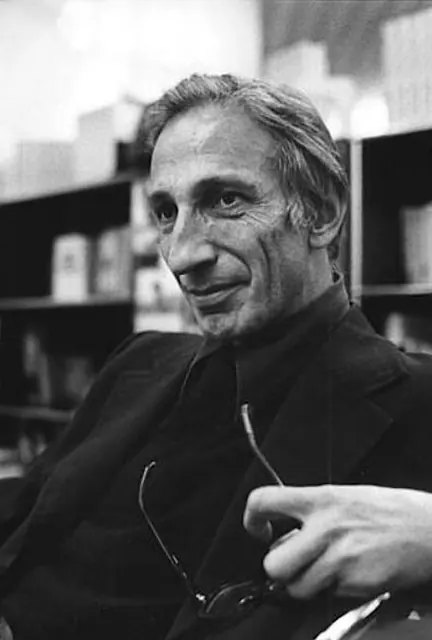
Critiqued institutional monopolies over learning and proposed more convivial, self-directed forms of education and tools. Relevant to open and decentralized access to learning.
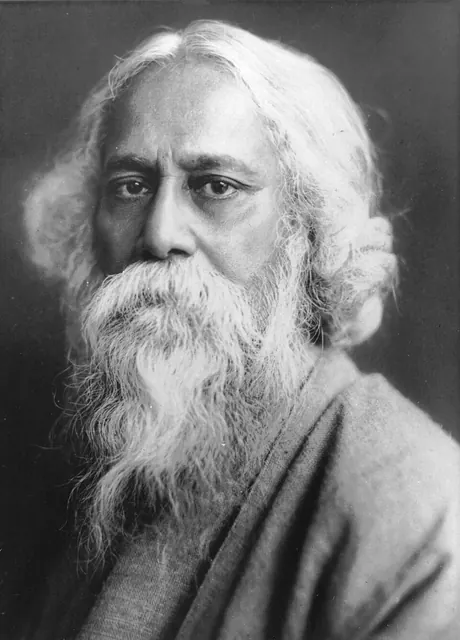
Built educational experiments around freedom, creativity, nature and intercultural learning, while criticizing aggressive nationalism. Relevant to peace education that crosses cultural boundaries.
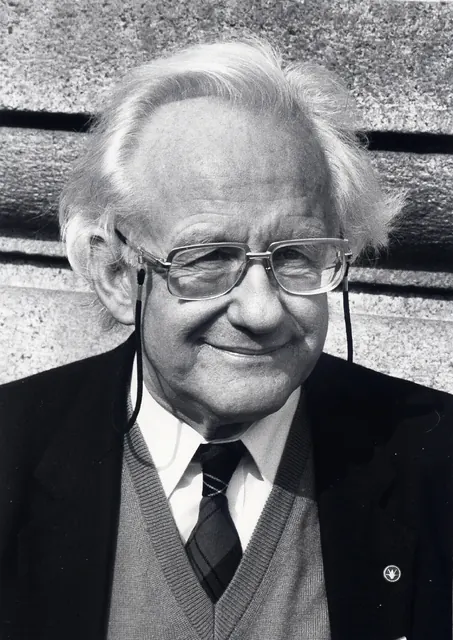
Developed influential distinctions between negative and positive peace and the concept of structural violence. These ideas widen peacebuilding beyond stopping direct violence to examining conditions that reproduce harm.

Developed approaches to conflict transformation centered on relationships, local agency and long-term reconciliation. His work reminds us that peacebuilding is a sustained social process, not just an agreement that ends fighting.
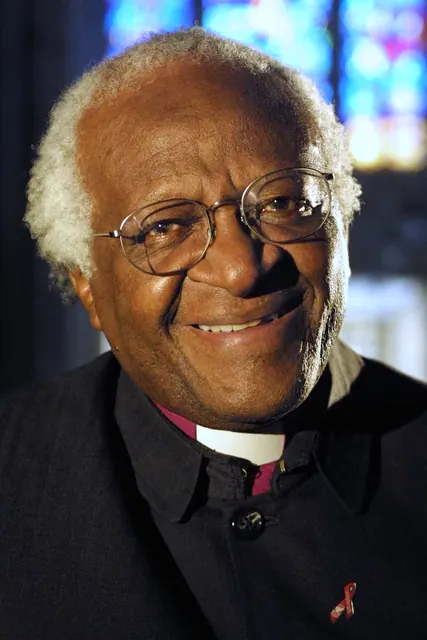
Combined anti-apartheid moral leadership with public work on truth, accountability and reconciliation, including chairing South Africa’s Truth and Reconciliation Commission. Relevant to repair after collective violence.

Helped organize the Liberian women's movement for peace through sustained, cross-religious nonviolent collective action. Her experience demonstrates how organized civilian courage can expand the possibilities for ending war.
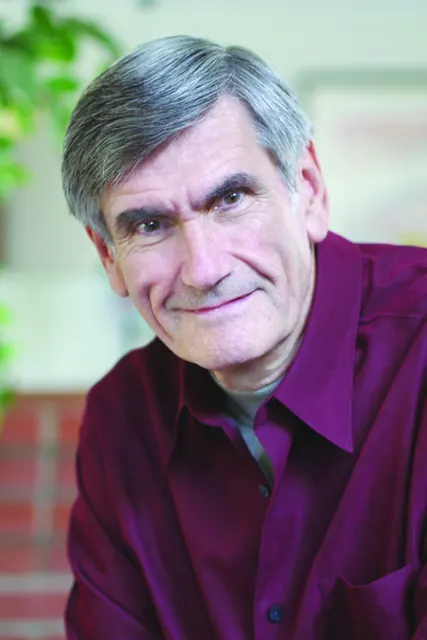
Developed Nonviolent Communication as a practical framework for observation, feelings, needs and requests. Relevant to reducing judgmental escalation in interpersonal conflict.

Helped establish modern restorative justice, reframing wrongdoing around harm, obligations and repair rather than punishment alone. Relevant to accountability that seeks restoration.
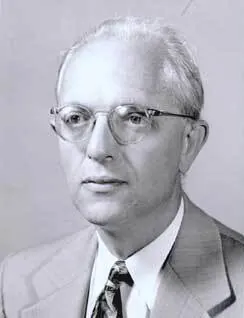
Worked on mathematical models of conflict and cooperation; his Tit-for-Tat strategy became influential in iterated Prisoner’s Dilemma research. Relevant as a bounded model of reciprocity rather than a universal law of cooperation.
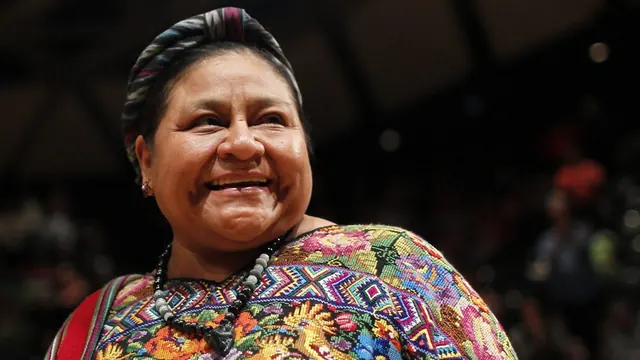
Her testimony and activism brought international attention to Indigenous rights, violence and historical memory in Guatemala. Relevant to peacebuilding that includes voice, memory and justice.
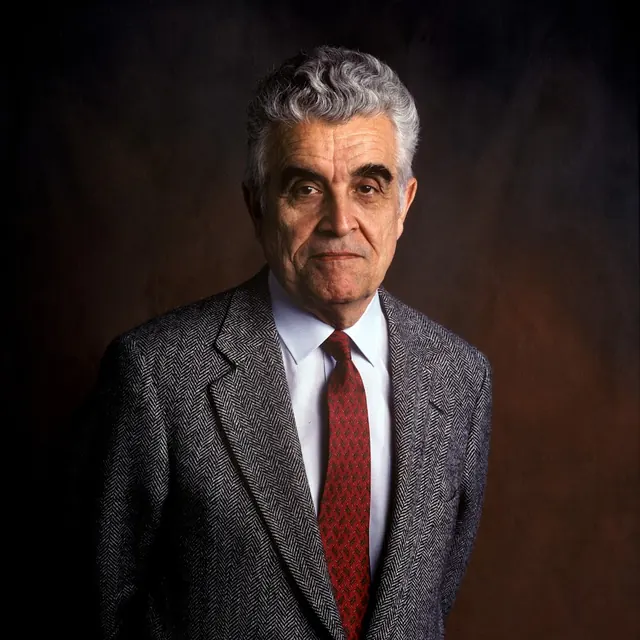
Proposed mimetic theory, including the idea that rivalry can escalate through imitation and be displaced onto scapegoats. Relevant as a theoretical lens on collective hostility, not a universal explanation.
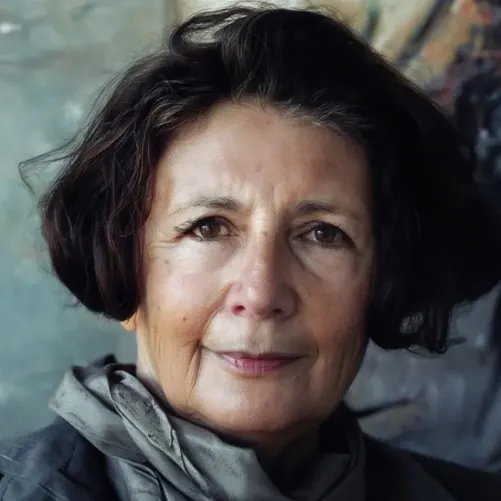
Critiqued abusive and authoritarian child-rearing and argued that unprocessed childhood violence can echo into adult life. Relevant as a warning about intergenerational harm, not a settled causal law.
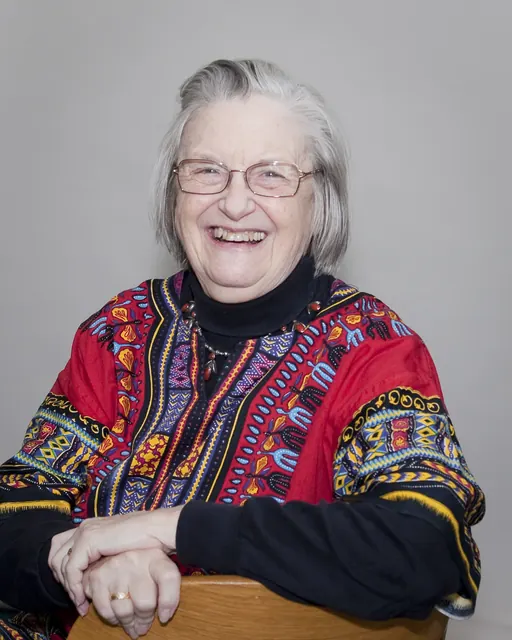
Through comparative empirical research, showed that communities can sometimes govern shared resources through durable, locally adapted institutions rather than relying only on state or market control. Relevant to conditions for cooperation.
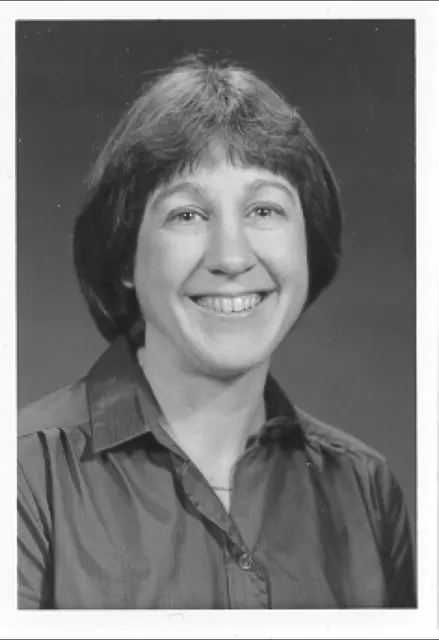
Developed and taught systems thinking, including the idea of leverage points where interventions can change system behaviour. Relevant to looking beyond symptoms toward feedbacks, rules, goals and paradigms.
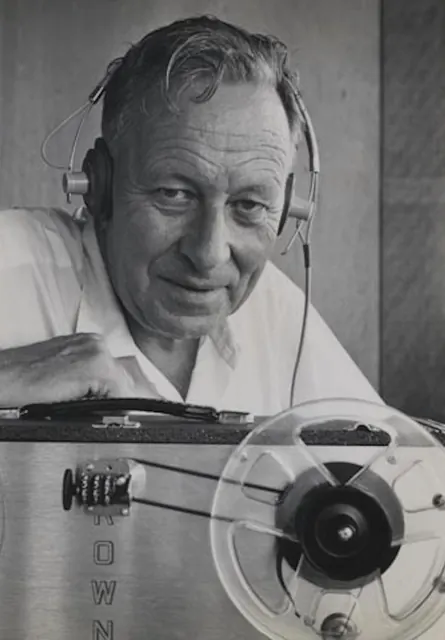
Explored communication, learning and the “ecology of mind” through relational and systems perspectives. Relevant to seeing conflict and behaviour as patterns within wider contexts.
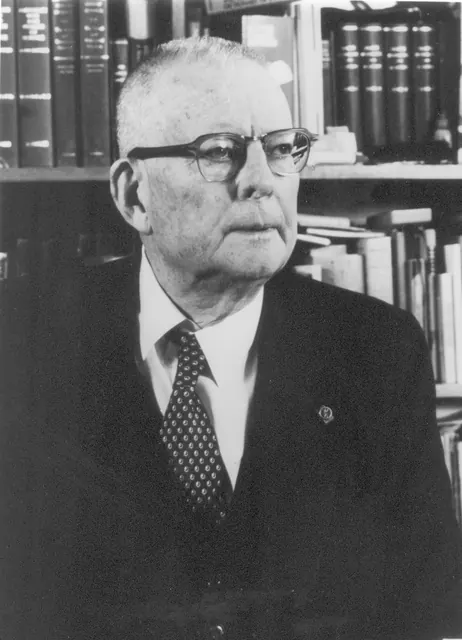
Developed systems-oriented approaches to quality and management, emphasizing variation, learning and improvement of the system rather than reflexive blame of individuals. Relevant to institutional cultures of cooperation.
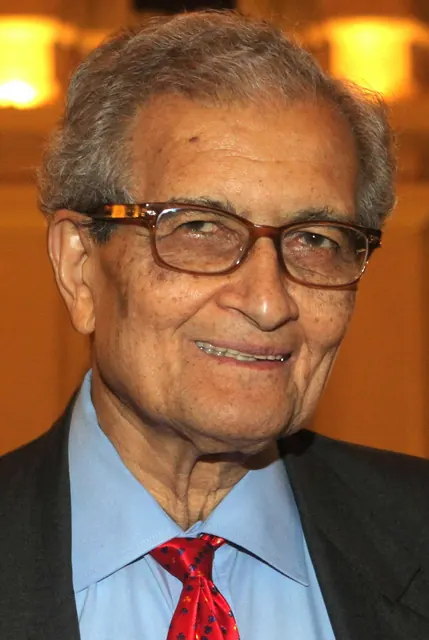
Developed the capability approach, evaluating development through people’s substantive freedoms and opportunities rather than income alone. Relevant to peace as conditions for human agency and dignity.
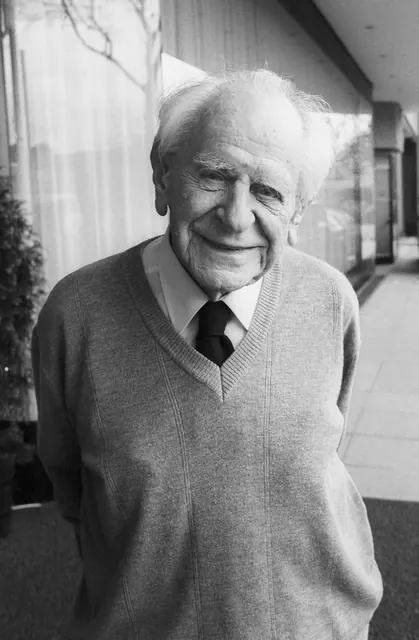
Defended critical rationalism and the open society, emphasizing fallibility, criticism and institutions that allow peaceful correction of mistakes. Relevant to intellectual humility and non-dogmatic public life.
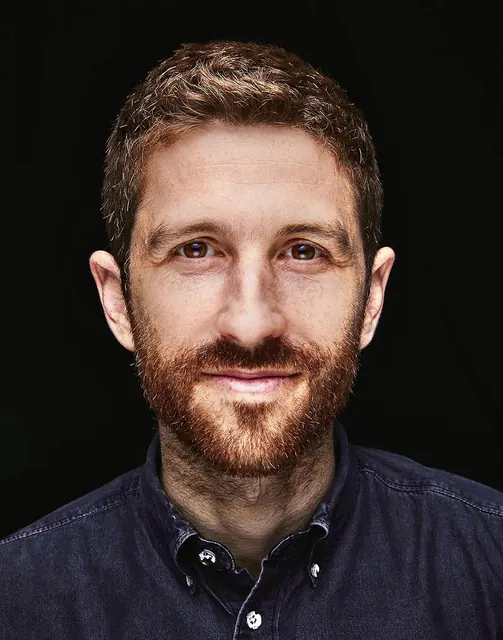
Co-founded the Center for Humane Technology and has criticized attention-economy designs that optimize engagement at the expense of human agency and social trust. Relevant to digital conditions that shape conflict and attention.
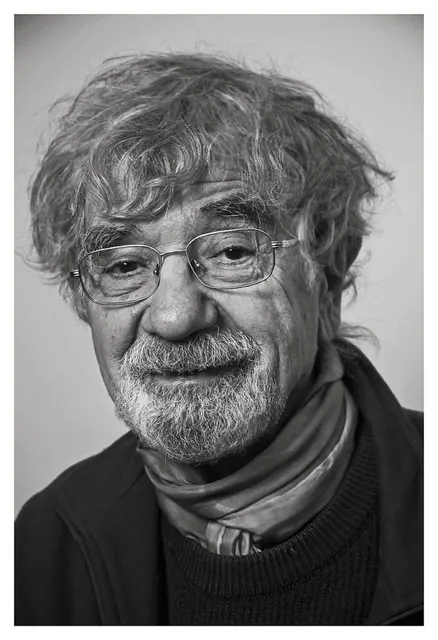
Developed work on autopoiesis and the biology of cognition, and later used the language of a “biology of love” to discuss acceptance and coexistence. Relevant as a systems-oriented perspective, not biological proof of an ethical claim.

Developed the “epistemologies of the South” as a critique of knowledge hierarchies shaped by colonialism and exclusion. Relevant to asking whose knowledge is heard in institutions and peacebuilding.
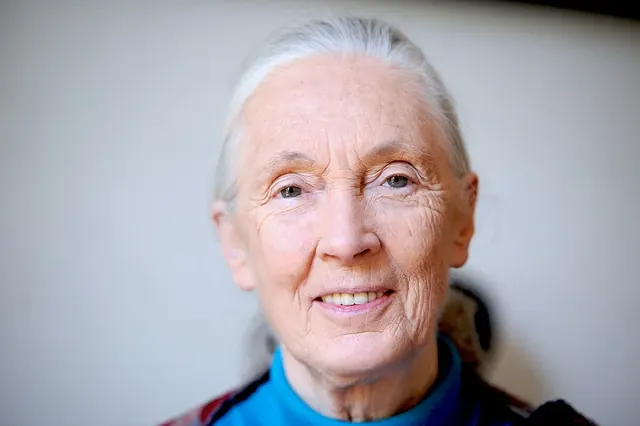
Long-term fieldwork on chimpanzees documented complex tool use, social relationships and individual differences, challenging simple boundaries between humans and other animals. Her conservation work extends this attention to habitats and communities.
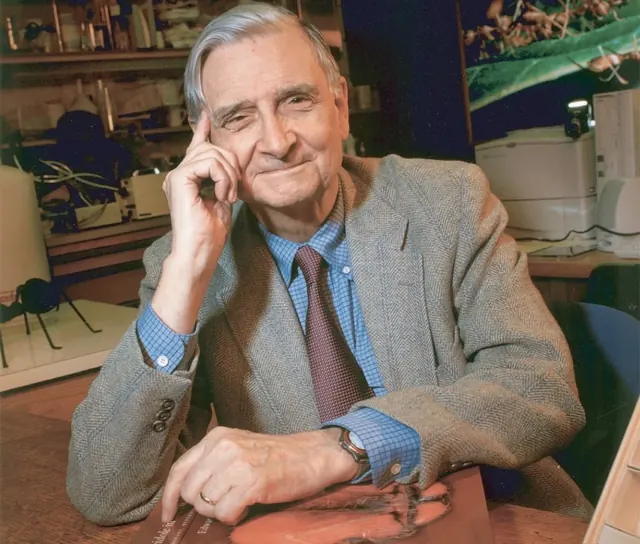
Proposed the biophilia hypothesis and made major contributions to biodiversity research. Relevant to examining human affiliation with living systems without treating biophilia as proof of universal altruism.
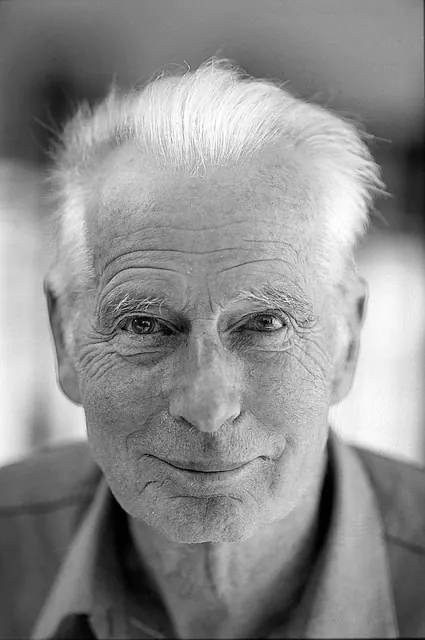
Developed deep ecology, arguing that nonhuman life has value beyond its usefulness to humans and calling for a broader ecological self. Relevant to widening the circle of moral concern.
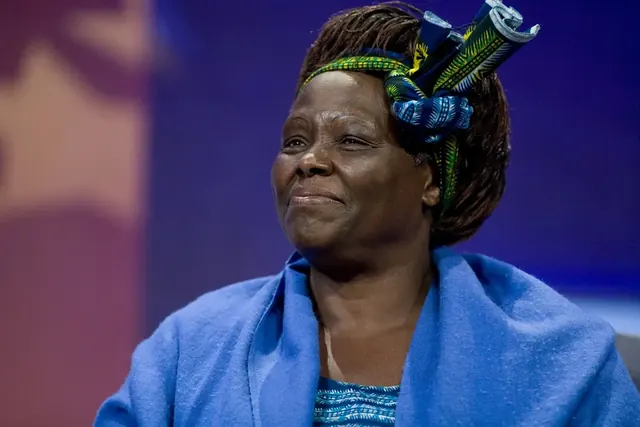
Founded the Green Belt Movement, linking tree planting and environmental restoration with livelihoods, civic participation and peace. Relevant as a practical bridge between ecology and social responsibility.
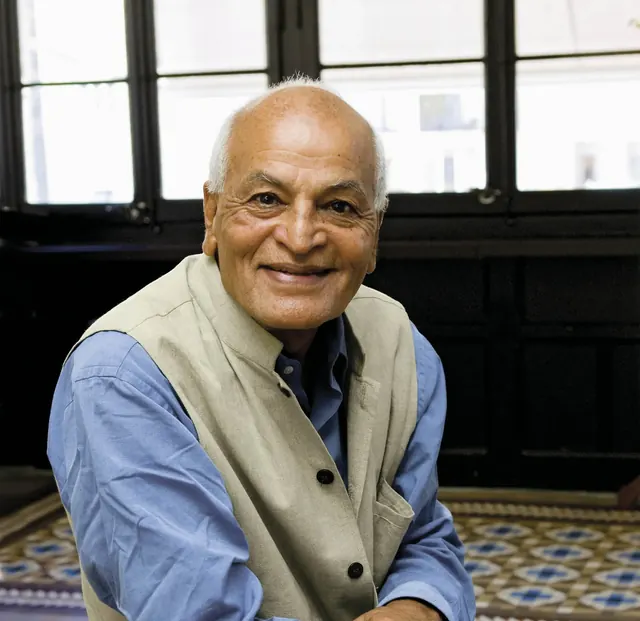
Connects ecology, nonviolence and inner development through the “Soil, Soul, Society” framework. Relevant to treating planetary, personal and social wellbeing as interdependent.
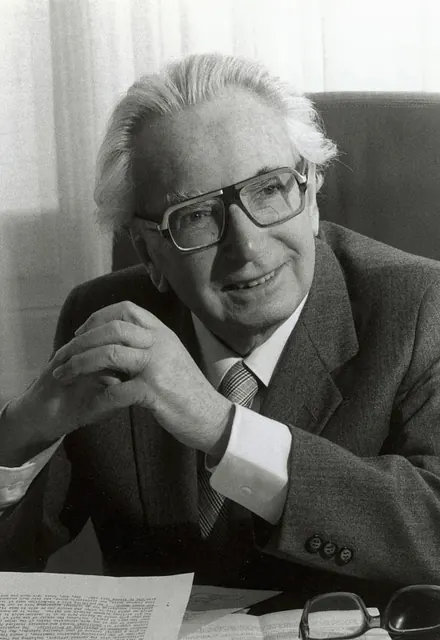
Developed logotherapy around the human search for meaning and responsibility, shaped by his clinical work and experience of Nazi concentration camps. Relevant to dignity and agency under extreme conditions.
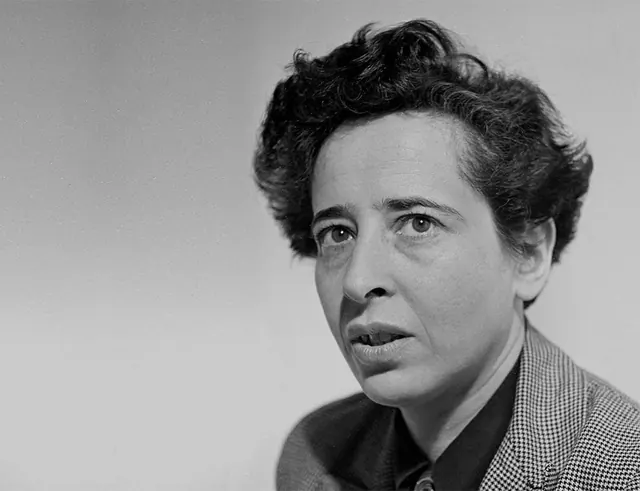
Analyzed totalitarianism, responsibility and the “banality of evil,” drawing attention to thoughtlessness and the demands of judgment. Relevant to resisting dehumanization and moral outsourcing.
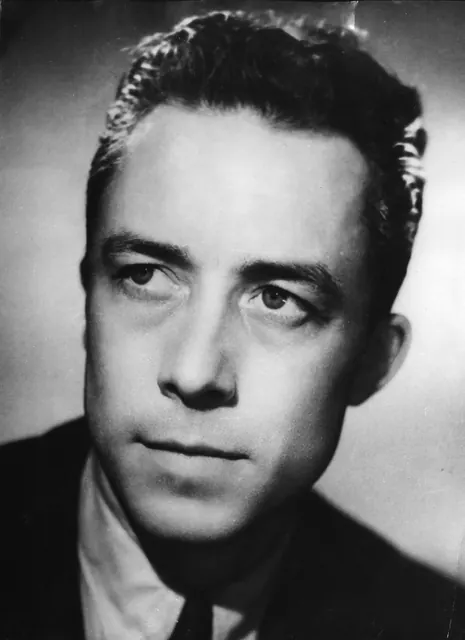
Explored revolt, absurdity and the moral limits of political action, repeatedly questioning ideologies that justify killing for a promised future. Relevant to preserving human limits within social change.
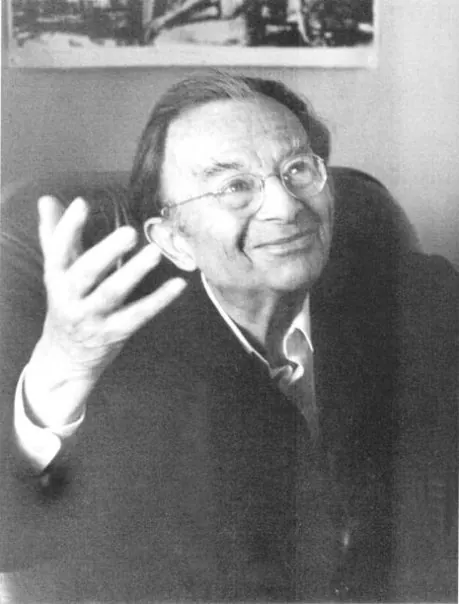
Explored freedom, love, social character and human destructiveness through humanistic psychoanalysis and social theory. Relevant to psychological and cultural conditions that can support or erode nonviolence.
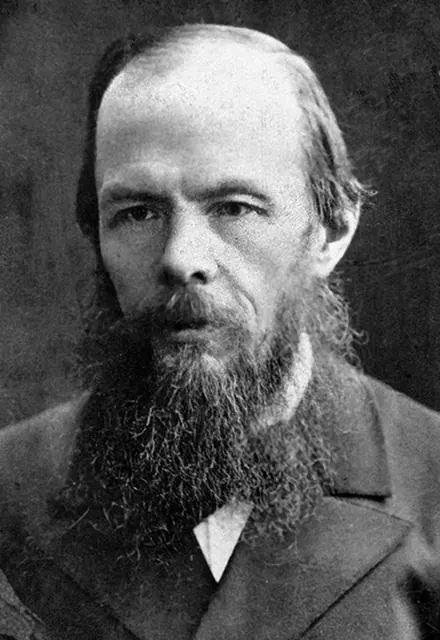
Used fiction to explore guilt, compassion, freedom and radical responsibility for others. Relevant as a literary inquiry into moral choice rather than as a social-scientific theory.
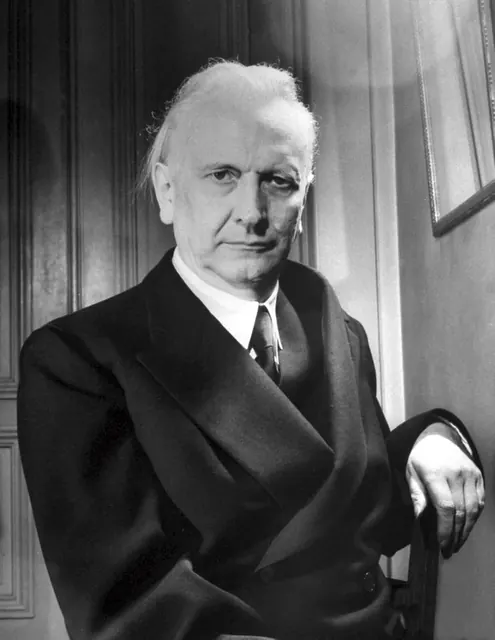
Distinguished forms of guilt and responsibility in postwar Germany and developed the ideas of boundary situations and an “Axial Age.” Relevant to honest reckoning after collective catastrophe.
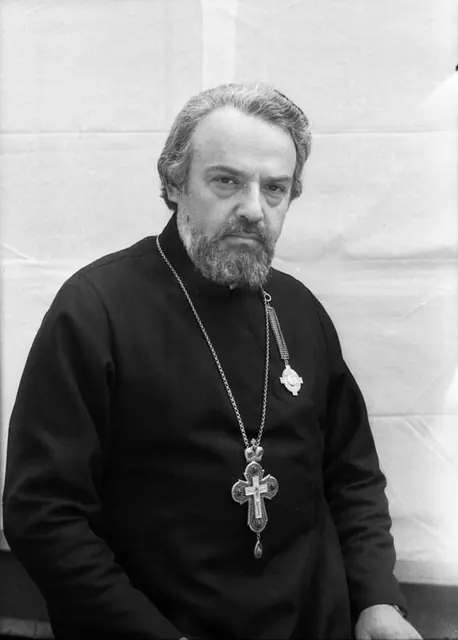
A Russian Orthodox priest and writer who emphasized human dignity, openness and dialogue across cultural and religious boundaries. Relevant to a form of faith that resists isolation and hostility.
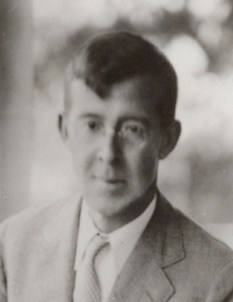
Studied altruistic love and creative altruism as sociological questions and founded a research centre devoted to the subject. Relevant to treating prosocial action as something that can be investigated rather than merely praised.
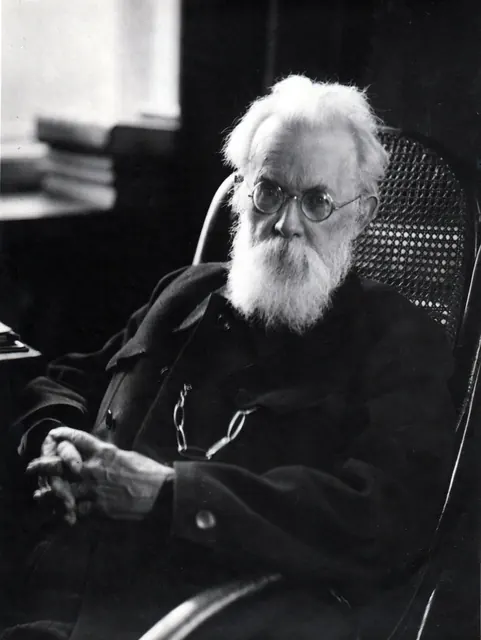
Developed modern biogeochemical thinking about the biosphere and later reflected on the noosphere, the growing role of human knowledge in planetary processes. Relevant to long-term responsibility at planetary scale.
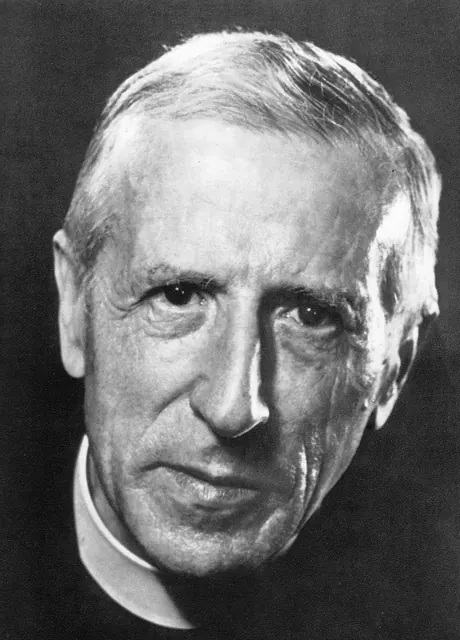
Developed a theological and philosophical vision of evolution toward greater complexity, consciousness and an “Omega Point.” Relevant as speculative civilisational imagination, not an empirical forecast.

Combined pioneering astronautics with Russian cosmism and imagined humanity’s long-term expansion beyond Earth. Relevant to civilisational-scale thinking while not implying endorsement of his wider philosophy.
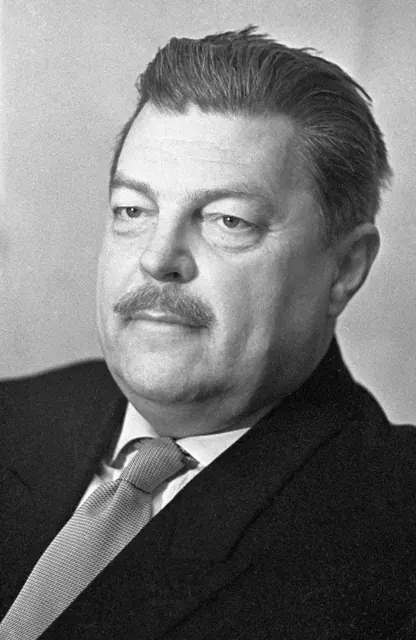
Through science fiction and social imagination, portrayed distant futures in which science, culture and ethics shape cooperative civilization. Relevant as an example of using narrative to imagine alternatives to violent social order.
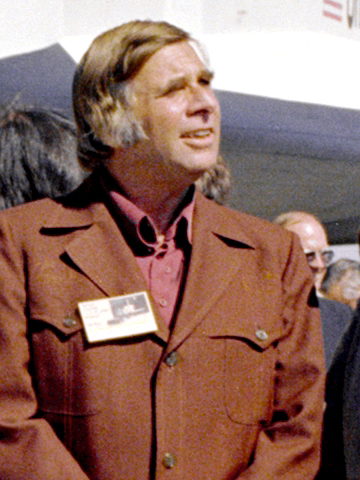
Created Star Trek and offered a culturally influential image of a future in which people of different origins explore space and solve problems through cooperation, curiosity and reason. This is a hopeful vision, not a claim that the fictional universe is free of violence.
Portraits use CSS grayscale; provenance for part of the historical image archive remains under review.
This is not a list of unquestionable authorities and not a genealogy of agreement. It is a map of influences, questions and useful disagreements.